City guide
The Orinoco Fair in Ciudad Bolívar: what it is, when it happens, and how to see it
· 4 min read
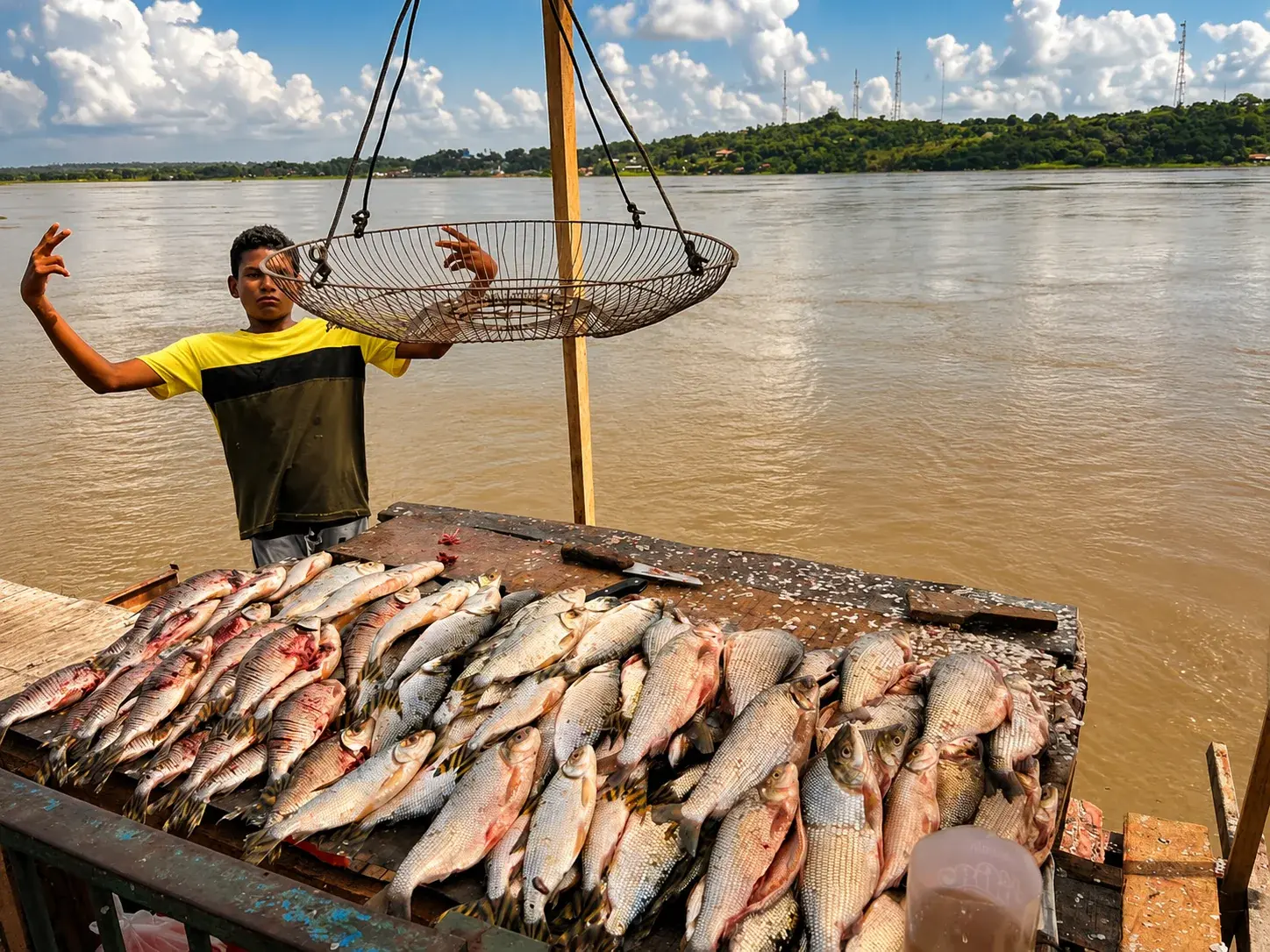
Every August, when the Orinoco rises, Ciudad Bolívar fills the riverfront for the Feria de la Sapoara — a fishing festival named after a fish that appears in this river and nowhere else. Here is what to expect and how to plan around it.
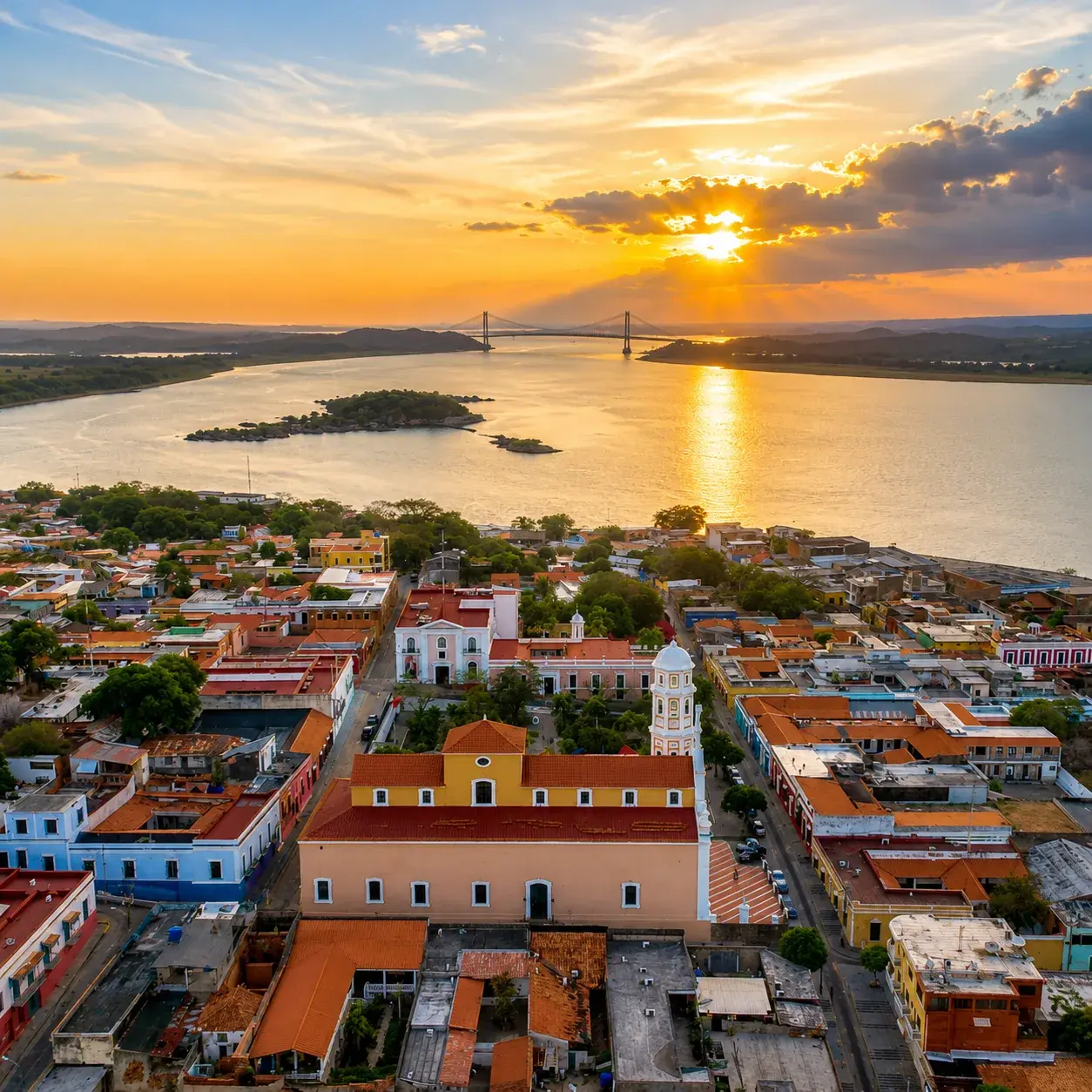
The Feria del Orinoco — known locally as the Feria de la Sapoara — is Ciudad Bolívar's biggest annual festival. It takes place every August along the Paseo Orinoco, the promenade that runs right along the riverbank, and it spills across the water to the town of Soledad on the far shore. Fishing, food stalls, crafts and live music, for several days.
Exact dates are set by the city council each year and usually announced only a few weeks ahead. Most of the programme falls in the second half of August, timed to the river's annual flood. If you are travelling specifically for the fair, check the official schedule before booking flights — and book your room before the schedule appears, because this is the busiest week of the year in the city.
Why August, and why this fish
The sapoara is a silver-scaled Orinoco fish that runs upriver exactly when the water reaches its yearly peak — which is August. The festival cannot be moved to another month: the date is set by the river, not by an organising committee.
The fishing method is part of the spectacle. The sapoara will not take a hook, so it is caught with an *atarraya*, a circular throwing net that the fisherman opens in mid-air from a boat or from the wooden platforms built out over the rock shelves. Watching the nets go out at first light, with the Angostura Bridge behind them, is the image most visitors take home.
What actually happens
The Paseo Orinoco turns into one long open-air market. Alongside the day's catch — sapoara, bocachico, whatever the flood brings — there are cooked-food stalls, crafts from Bolívar state, and a stage with live music. Sapoara is usually served grilled or stuffed, and during the fair it appears on menus all over the city.
There is a competitive side too: the event began as a fishing tournament, and that origin survives in the fishermen's days. It was declared an international fair in 2019 and has since been recognised as part of the country's cultural heritage.
The legend you will be told
Sit down to eat and someone will tell you this within five minutes: whoever eats the head of the sapoara stays in Ciudad Bolívar — or marries someone from here and never leaves. Nobody quite believes it and everybody repeats it. It is worth hearing from a local, who will tell it far better.
Filling the rest of the day
The fair belongs to the late afternoon and the evening, which leaves your mornings open — and the historic quarter is minutes away. The Angostura quadrilateral, the Congress House and the Jesús Soto Museum of Modern Art are all walkable. August mornings get hot quickly, so start early. Our 48 hours in Ciudad Bolívar guide sequences it sensibly, and the historic quarter on foot covers it street by street.
Where to stay during the fair
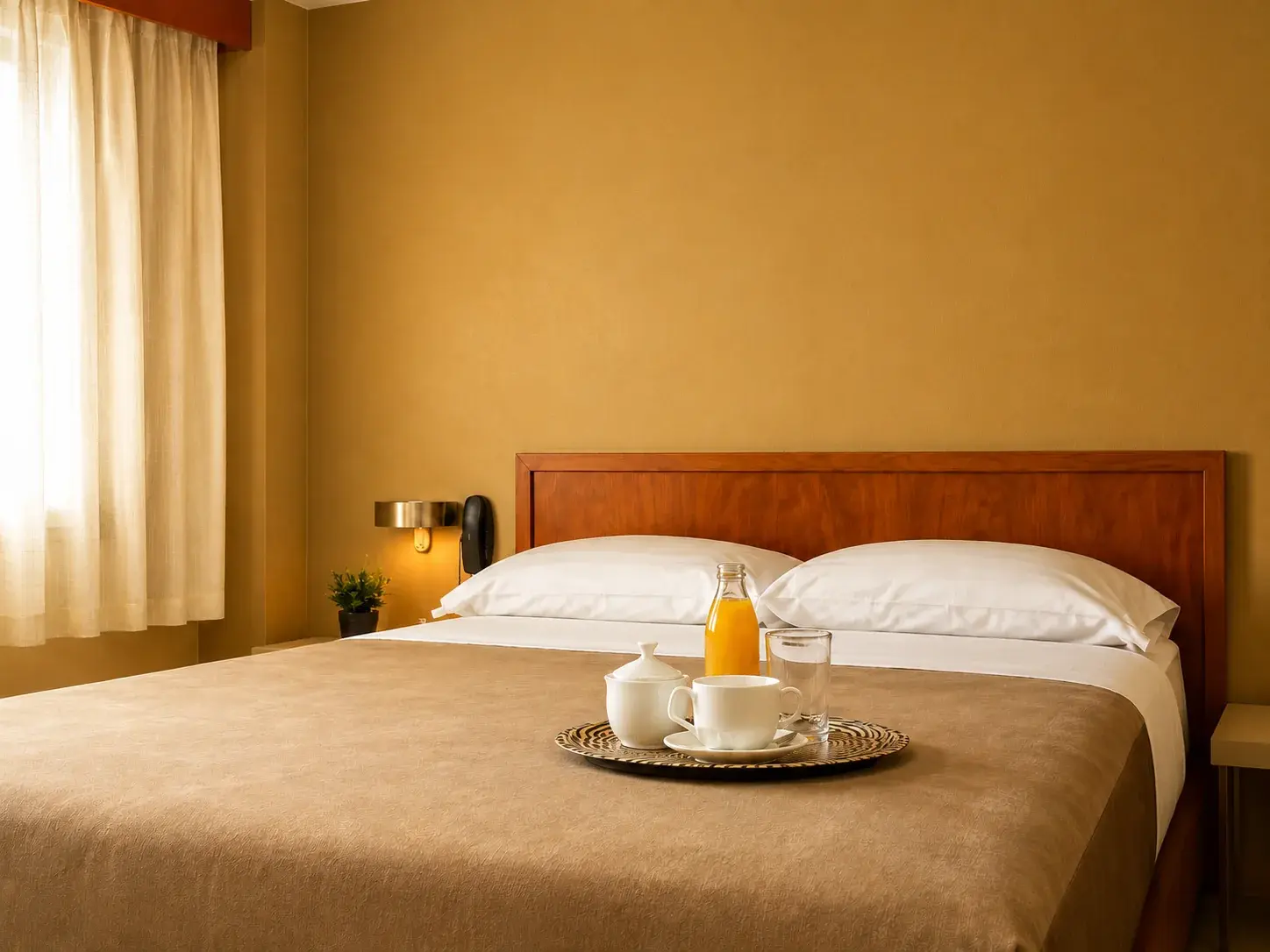
August is high season in Ciudad Bolívar, and the fair compresses demand into a handful of days. Two things help: book early, and choose a hotel on a main avenue so you are not dependent on traffic around the Paseo Orinoco when the riverfront is closed or congested.
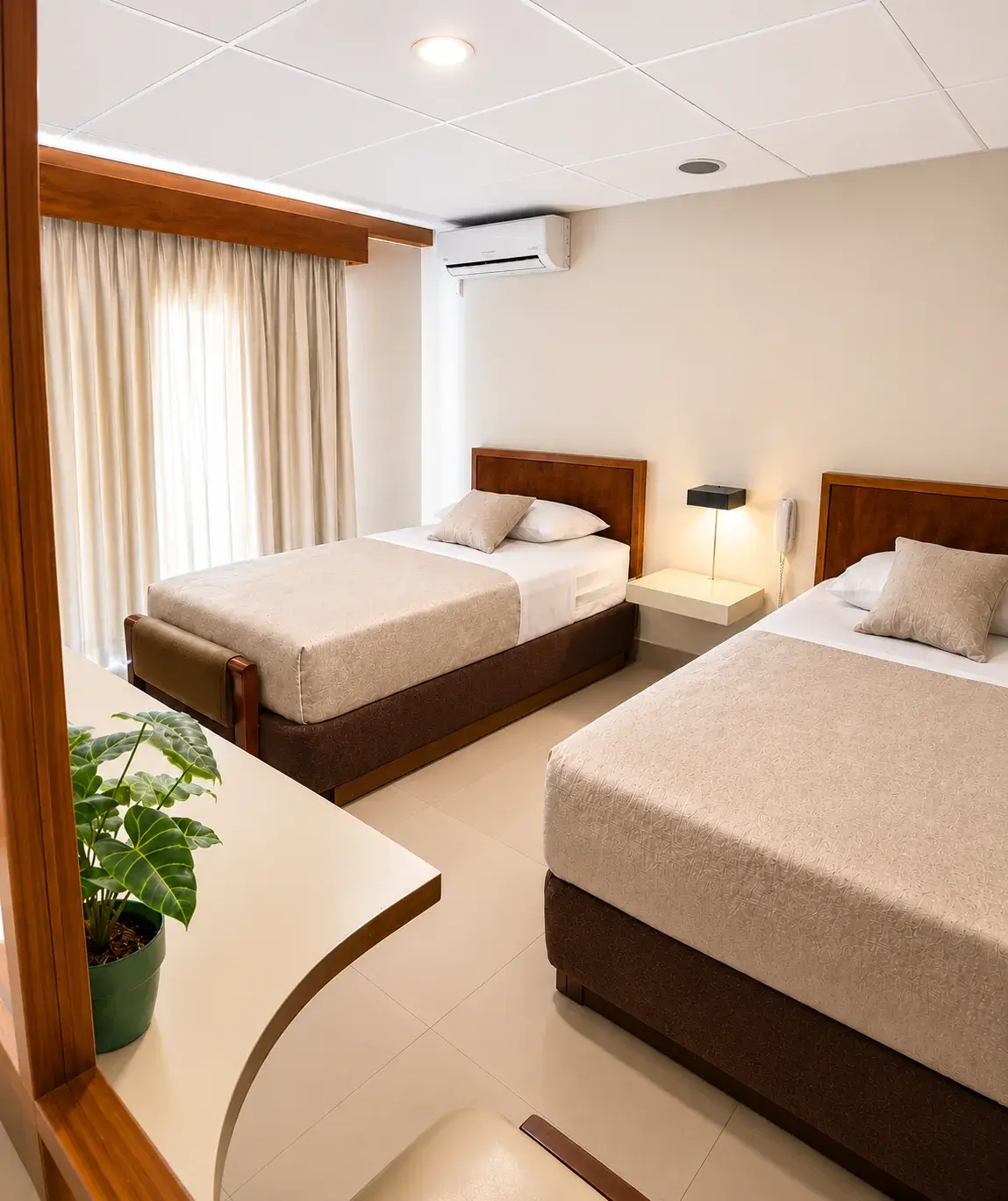
Hotel Laja City is on Avenida Bolívar at the corner of Avenida Táchira, on one of the city's main avenues, with a 24-hour front desk — useful when you come back late from the fair — plus parking and WiFi included in every rate. For families and groups travelling for the festival, the Quadruple Room and the Triple Room are the practical choices at USD 75 a night, both with air conditioning and a smart TV. Reservations are confirmed over WhatsApp on +58 414 8995993; payment is by bank transfer, Pago Móvil, or cash on arrival — the hotel does not process credit or debit cards.
If you are arriving by road or bus and do not know the city, getting to and around Ciudad Bolívar covers the basics.
One tip from the front desk: go down to the Paseo Orinoco early, when the boats come in. The morning fair belongs to the fishermen; the evening one belongs to the music. They are two different festivals, and both are worth seeing.